Kamika Ekadashi 2026: Date, Puja Vidhi, Vrat Katha, Parana & Rules
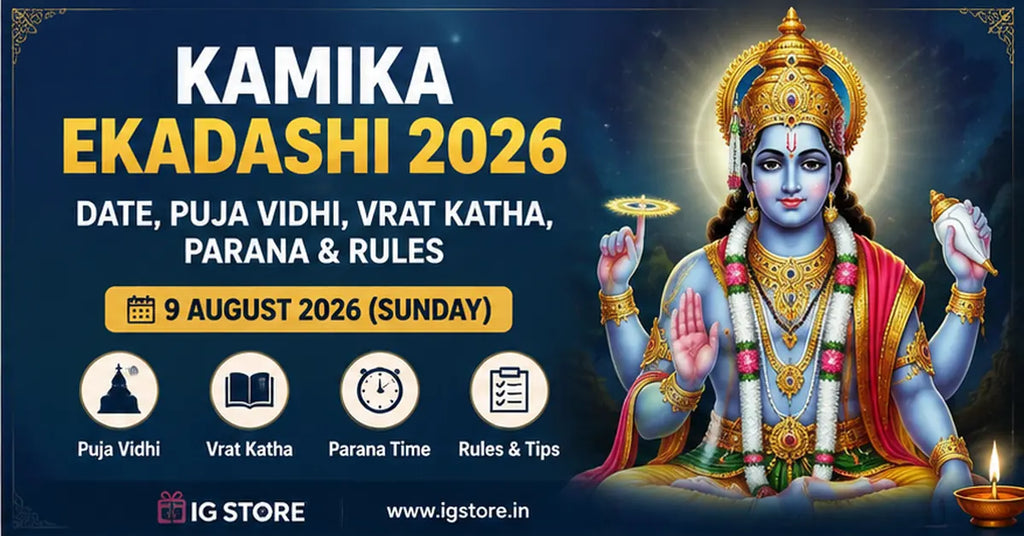
Kamika Ekadashi 2026 will be observed on Sunday, 9 August 2026. It falls during the Krishna Paksha of the Shravan month and is dedicated to Lord Vishnu. Devotees generally observe a fast, perform Vishnu puja, listen to or read the vrat katha, chant the divine names and complete the fast with Parana on the following suitable time according to their local panchang.
Kamika Ekadashi 2026: Quick Answer
Kamika Ekadashi is on 9 August 2026. The Ekadashi tithi begins on 8 August and continues into 9 August, but exact tithi and Parana timings can vary by city. Always check a reliable local panchang for your location before fixing the fasting and Parana schedule.
Why Kamika Ekadashi Is Observed
Ekadashi is traditionally associated with self-control, devotion and remembrance of Lord Vishnu. Kamika Ekadashi, observed in Shravan Krishna Paksha, encourages devotees to reduce distractions, follow simple food habits, speak gently and spend more time in prayer. The purpose is not only avoiding certain foods; it is also about bringing discipline to thoughts, words and actions.
Many families observe the day according to traditions learned from elders. Some keep a nirjala fast, some consume fruits and milk, while others follow a satvik one-meal pattern. Health, age, pregnancy, medication and local family practice should be considered. Spiritual discipline should never be used to ignore a medical need.
Kamika Ekadashi Puja Samagri
- Clean chowki and yellow or red cloth
- Image or idol of Lord Vishnu or Shri Krishna
- Diya, cotton wick and ghee or oil
- Incense, flowers and seasonal fruits
- Tulsi leaves, where available and used according to family practice
- Chandan, roli, akshat and clean water
- Panchamrit ingredients if your tradition includes abhishek
- Bhog prepared without onion and garlic
- Vishnu Sahasranama, Gita or Ekadashi vrat katha text
Kamika Ekadashi Puja Vidhi at Home
1. Begin with cleanliness and sankalp
Wake up early, bathe and clean the puja area. Place the deity or image respectfully on a clean chowki. Sit calmly and take a simple sankalp stating your name, date and intention to observe the vrat with devotion and self-discipline.
2. Light the diya
Light a diya and incense in a safe place. Offer water, chandan, flowers and fruits. Avoid complicated steps if they are not part of your family tradition. A sincere, simple puja is better than copying a ritual without understanding it.
3. Offer Tulsi and bhog
Tulsi is closely associated with Vishnu worship. Offer clean Tulsi leaves only if this is followed in your tradition. Prepare satvik bhog and keep it covered and hygienic.
4. Chant and read
Chant “ॐ नमो भगवते वासुदेवाय” or repeat the name of Lord Vishnu. Read the Kamika Ekadashi vrat katha, Vishnu Sahasranama or a suitable chapter of the Bhagavad Gita according to your time and ability.
5. Perform aarti and distribute prasad
Conclude with aarti and prayer for wisdom, compassion and control over harmful habits. Distribute prasad respectfully after completing the puja.
Kamika Ekadashi Vrat Rules
- Avoid rice and grains according to common Ekadashi practice.
- Choose fruits, milk, nuts, water and vrat-approved foods based on your tradition.
- Avoid onion, garlic, alcohol, tobacco and non-vegetarian food.
- Do not waste food or water.
- Try to avoid anger, harsh speech, gossip and unnecessary arguments.
- Read or listen to devotional content instead of treating the fast only as a diet.
- People with diabetes, chronic illness, pregnancy, advanced age or regular medicines should seek medical advice before fasting.
What Can Be Eaten During the Vrat?
Food rules differ across regions. Common options include fruits, milk, curd, makhana, nuts, coconut water, potato, sweet potato, sama rice, kuttu flour and singhara flour. Use sendha namak if salt is permitted in your family practice. Avoid assuming that every packaged “vrat food” is suitable—check ingredients for regular salt, grains, onion powder or additives.
Keep the meal light. Deep-fried food can make the fast uncomfortable and defeat the intention of simplicity. Hydration is especially important in August weather.
Kamika Ekadashi Vrat Katha: Simple Summary
The traditional Kamika Ekadashi katha highlights the value of repentance, devotion and disciplined conduct. Its central message is that a sincere person can turn away from harmful actions and move toward a more ethical life through devotion, self-control and service. The story is usually heard after Vishnu puja, but the deeper lesson is practical: spiritual observance should make a person kinder, calmer and more responsible.
Different books and regional traditions may narrate the story with variations. Families should follow the version used in their home or temple rather than arguing over minor differences. The purpose remains remembrance of Lord Vishnu and improvement of one’s conduct.
Parana: How to Break the Fast
Parana means completing the vrat at the correct time on the next day. The exact window depends on location and panchang calculations. Check your city-specific timing. Generally, devotees bathe, pray, offer food or charity where possible and then break the fast with simple satvik food. Avoid overeating immediately after a long fast.
How to Prepare One Day Before
Preparation makes the observance peaceful. Check your city-specific tithi and Parana timing, decide which type of fast is realistic for your health and arrange simple ingredients in advance. Wash fruits and utensils, plan a light satvik meal for family members who are not fasting and avoid last-minute shopping. Keep the puja book, clean cloth, diya and other materials together so the morning begins without confusion.
People who take prescribed medicine should not stop or change it without medical guidance. If a full fast is unsuitable, a person can reduce rich food, avoid grains according to tradition, spend time in prayer and practise charity. The quality of conduct is more important than competing over who keeps the hardest fast.
Simple Mantras and Devotional Reading
The mantra “ॐ नमो भगवते वासुदेवाय” can be repeated slowly with attention. Some devotees chant “ॐ विष्णवे नमः,” recite Vishnu Sahasranama or read a chapter from the Bhagavad Gita. Fix a realistic number or duration instead of rushing through a large count. Even ten quiet minutes of focused chanting can be more meaningful than distracted repetition.
Children can participate by offering flowers, listening to a short story and helping arrange prasad. They should not be pressured into strict fasting. The day can be used to teach gratitude, food discipline and respectful behaviour in an age-appropriate way.
Observing Ekadashi While Working or Travelling
Office workers and travellers can keep the observance simple. Carry water, fruit or permitted food, avoid heavy restaurant meals and use a clean quiet moment for prayer. Keep fasting food hygienic in hot weather. While travelling, do not attempt a difficult fast that causes weakness or affects safe driving. Devotion and responsibility should support each other.
If you cannot perform a full home puja, clean your hands, sit calmly, remember Lord Vishnu, chant a mantra and read the katha digitally or from a book. Complete Parana according to local timing after returning home or wherever a safe satvik meal is available.
Charity and Positive Actions
Donation is meaningful when it is respectful and useful. Depending on your ability, you may offer food, clothes, water, fruits or support to someone in need. Feeding animals responsibly, helping an elderly person or avoiding food waste can also reflect the values of the vrat. Do not perform charity only for photographs or social media.
Devotional Décor and Thoughtful Gifts
A small devotional décor piece can be used as a daily reminder of faith on a desk, bookshelf or dashboard. It is not a substitute for puja and should not be promoted as guaranteeing a spiritual result.


Common Mistakes to Avoid
- Following a city’s timing copied from social media without checking your own location.
- Turning the vrat into a heavy fried-food day.
- Ignoring health conditions or prescribed medicines.
- Using Tulsi or ritual materials carelessly without understanding family practice.
- Focusing on rules while continuing anger, dishonesty or disrespect.
- Breaking the fast at a random time without checking Parana guidance.
Frequently Asked Questions
When is Kamika Ekadashi in 2026?
Kamika Ekadashi will be observed on Sunday, 9 August 2026.
Can I drink water during the fast?
Yes, many people follow a water, fruit or milk-based fast. Nirjala fasting should be attempted only when suitable for your health and tradition.
Is rice allowed?
Rice and regular grains are commonly avoided on Ekadashi. Follow your family tradition and verify packaged ingredients.
Which mantra can be chanted?
“ॐ नमो भगवते वासुदेवाय” is a widely used Vishnu mantra. You may also recite Vishnu Sahasranama or simply repeat the divine name.
What time is Parana?
Parana timing is city-specific. Check a reliable local panchang for your location.
Can a sick person observe the vrat?
A person with illness or regular medication can choose a modified satvik observance after medical advice. Health should not be endangered.
Conclusion
Kamika Ekadashi is an opportunity to practise simplicity, devotion and responsible conduct. Prepare one day in advance, check local timings, choose a fasting method appropriate for your health and focus on prayer, kindness and self-control. A calm and sincere observance is more meaningful than an unnecessarily difficult fast.
-
Posted in
Ekadashi Vrat, Kamika Ekadashi 2026, Parana, Shravan Festival, Vishnu Puja